
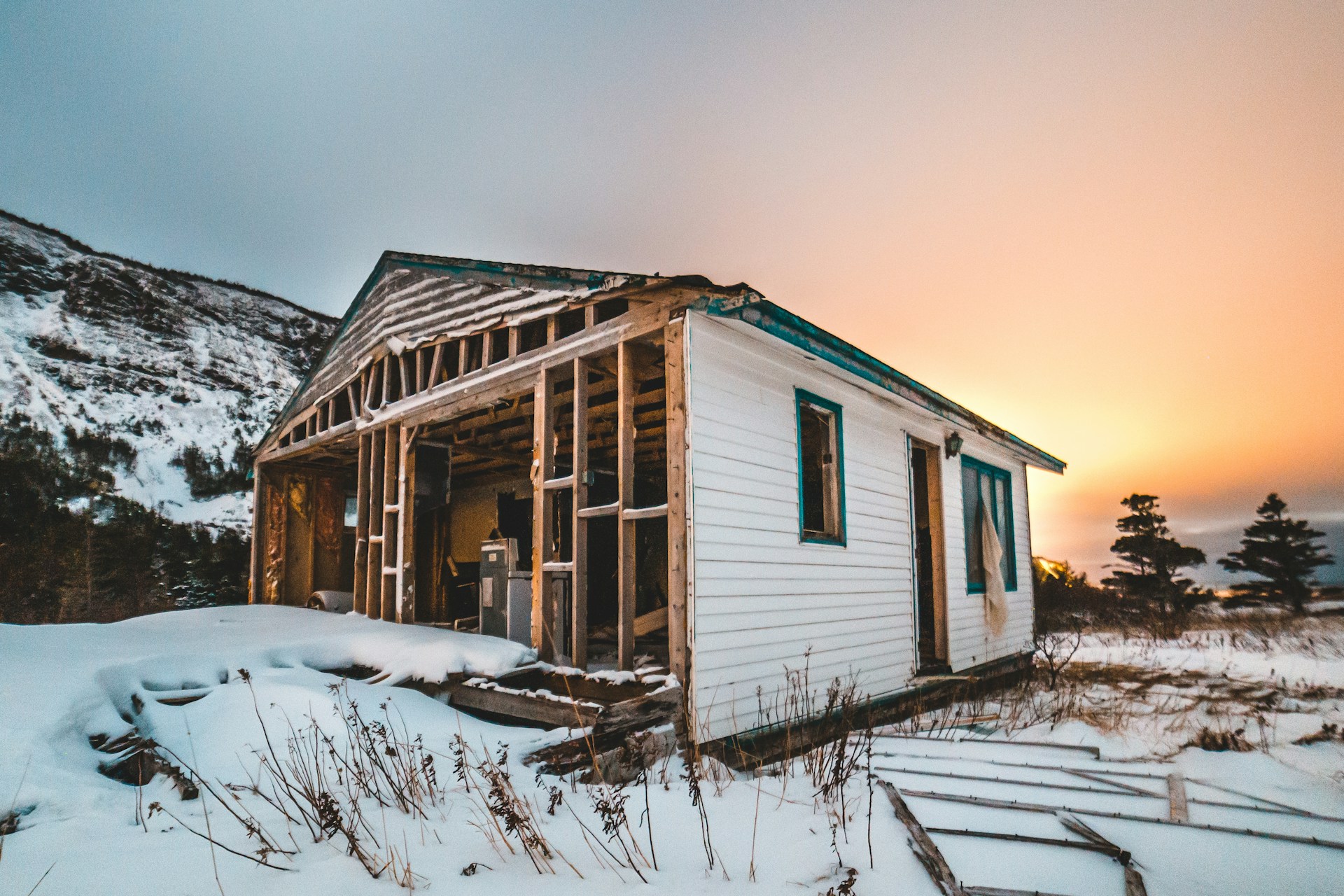
Cold construction sites are brutal. Workers move more slowly, concrete takes forever to cure, and tools feel like blocks of ice pulled from a freezer truck. Smart builders look into Bauheizung early because heating can save a project from delays that snowball into expensive headaches. One freezing week can wreck schedules faster than a traffic jam before a holiday weekend. Construction heating sounds simple until the weather starts throwing punches.
Cold Weather Slows Down More Than Workers
People think construction heating is mostly about comfort. Nope. Materials react badly when temperatures crash. Concrete cures more slowly, paint struggles to dry, and adhesives act like stubborn chewing gum. Suddenly, the whole site moves like a sleepy turtle crossing the road. Moisture becomes another sneaky problem during winter builds. Damp air creeps into walls and flooring materials. That trapped moisture can create damage long after the project finishes. Warm airflow helps dry surfaces faster and keeps conditions more stable. A heated site usually means fewer ugly surprises later.
Fuel Choices Can Change Your Budget Fast
Heating costs stack up quickly on large projects. One careless setup burns through fuel like a sports car with a lead foot. Diesel heaters work well outdoors and handle rough weather better than many electric units. Electric systems, though, fit indoor areas where ventilation becomes tricky. Noise also matters more than people expect. Loud heating equipment can drive workers crazy after long shifts. Some crews joke that certain heaters sound like jet engines preparing for takeoff. Efficient equipment usually creates fewer distractions while using less energy. That balance keeps sites calmer and budgets healthier.
Bad Ventilation Creates Hidden Trouble
Heating without airflow control becomes risky fast. Warm air mixed with trapped fumes creates miserable working conditions. Workers get headaches, surfaces collect condensation, and indoor air feels thick enough to chew. Proper ventilation keeps the environment safer and more comfortable. Humidity control matters too. Construction sites naturally produce moisture from drying materials and weather exposure. Without airflow management, warm spaces turn damp and sticky. That can damage wood, insulation, and drywall before installation even finishes.
Temporary Heaters Keep Projects Moving
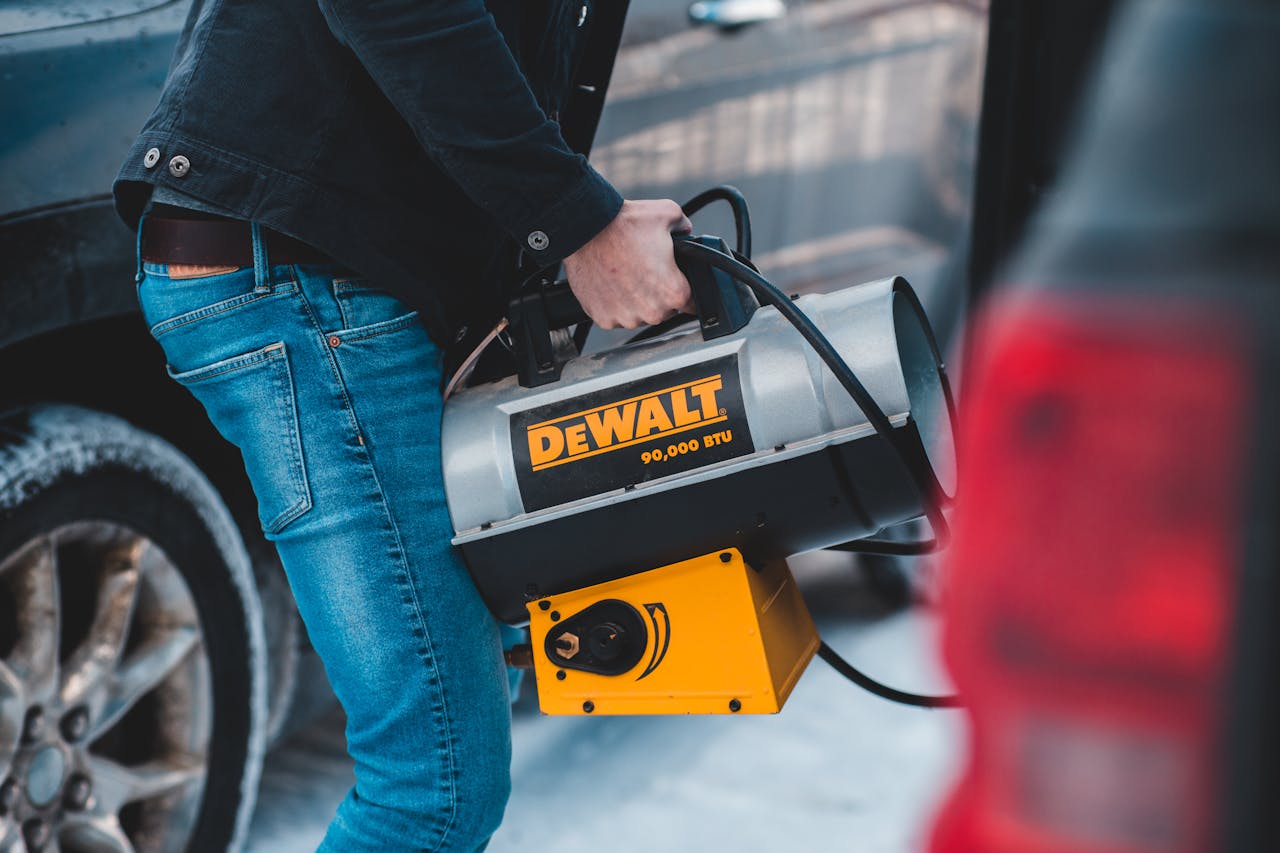
Some sites stop completely during heavy cold spells. Others keep going because the heating setup was planned properly from day one. Portable units help maintain workable temperatures without turning the place into a smoke chamber. Good heat distribution matters more than blasting one corner like a volcano. Builders also need flexibility during different project stages. Open framing areas lose heat differently than enclosed rooms. One heater type rarely solves every situation. Smart crews adjust placement often and monitor airflow carefully. Construction heating is part strategy, part survival game.
Why Professional Site Heating Saves Time
Experienced heating providers understand construction chaos better than most people realize. They know how to size equipment for changing site conditions and shifting weather patterns. Guesswork usually leads to cold zones or wasted fuel. Good planning keeps crews working steadily without constant heater problems. Reliable heating also protects project deadlines. Delays during winter can ripple through subcontractor schedules and supply deliveries. One postponed task often triggers five more problems behind it.
Builders who prepare early usually avoid those domino effects. Nobody wants a construction timeline held together with crossed fingers and coffee. A smart heating setup keeps projects moving, workers productive, and materials protected. On cold job sites, heat is not a luxury. It is survival fuel for the entire build.