

Classic films hold a special place in cinema history, yet many were created long before today’s high-definition viewing standards. As technology advances, remastering allows these beloved titles to be restored with sharper visuals, enhanced sound, and improved color accuracy. In many cases, passionate fan communities play a big role in keeping interest alive, much like the enduring star trek obsession that continues to inspire new restorations and discussions around classic science fiction media. By carefully upgrading original film elements without losing their authenticity, studios can introduce timeless stories to a new generation of viewers. This article explores how movie remastering helps preserve cinematic heritage while making classic films feel fresh and exciting again.
Improving Visual Quality Through Digital Restoration
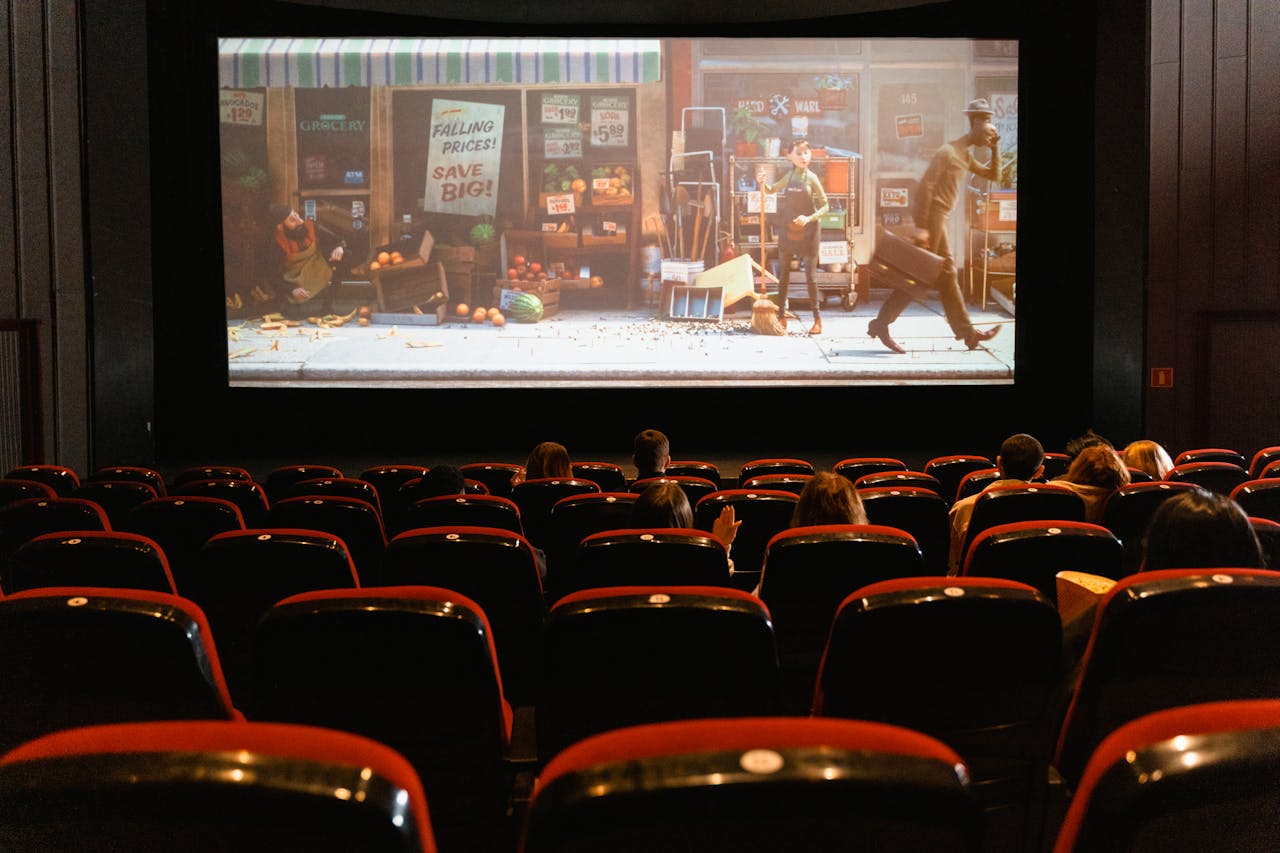
One of the most noticeable results of movie remastering is the dramatic improvement in visual quality. Digital restoration tools allow experts to remove dust, scratches, and flickering that often appear in aging film prints. Color correction techniques restore the richness and accuracy of original color palettes that may have faded over time. In black-and-white films, adjustments can enhance contrast and detail, making scenes appear sharper and more balanced. High-resolution formats, such as 4K, allow remastered films to reveal visual elements that were previously difficult to see in older home video releases. By refining the image while respecting the original cinematography, remastering helps classic films maintain their artistic integrity while meeting the expectations of modern viewers.
Preserving Cultural and Historical Significance
Remastering plays a crucial role in preserving the cultural and historical value of classic films. Many older films reflect the social attitudes, artistic movements, and storytelling traditions of the time in which they were created. Without proper restoration, these films risk being lost due to the physical degradation of original materials. Remastering ensures that future generations can continue to study and appreciate these works as part of cinematic history. Film archives, studios, and cultural institutions often collaborate to preserve important titles through restoration projects. By maintaining these films in high-quality formats, remastering supports education, cultural appreciation, and the preservation of creative heritage.
Enhancing Audio for Contemporary Sound Systems
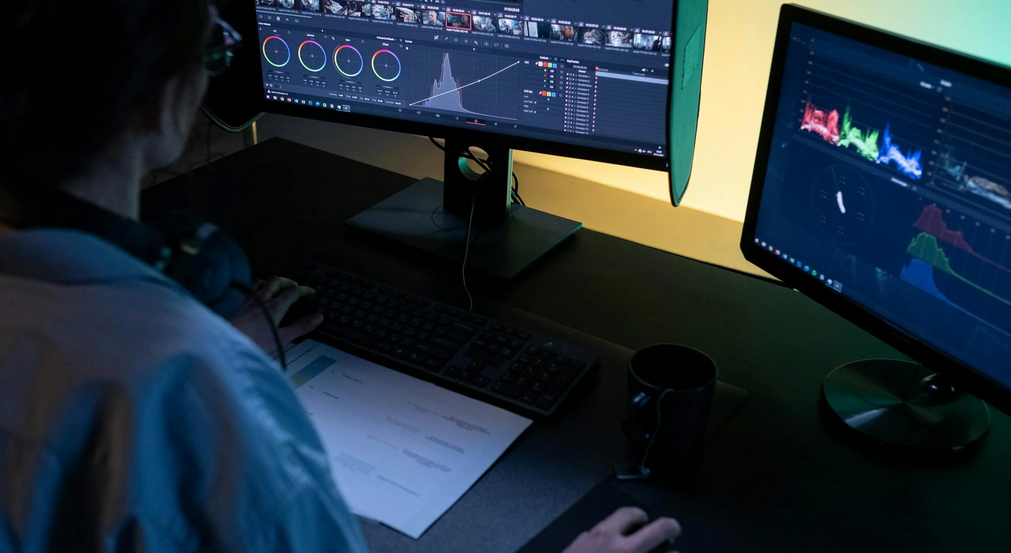
In addition to visual improvements, movie remastering also focuses on restoring and enhancing audio quality. Older films were often recorded with limited sound technology, which can result in background noise, uneven dialogue levels, or reduced clarity. Audio engineers work with original soundtracks to remove noise, balance dialogue, and refine music and sound effects. In some cases, films are adapted for modern surround sound systems while maintaining the authenticity of the original recording. This careful audio restoration allows viewers to experience classic films with clearer dialogue and richer soundscapes. Improved audio quality plays an important role in making older films accessible and enjoyable for audiences accustomed to modern cinematic sound standards.
Adapting Classic Films for Modern Viewing Platforms
Modern audiences consume films across a wide range of platforms, including streaming services, digital downloads, and high-definition television. Remastering ensures that classic films can meet the technical requirements of these platforms while maintaining visual and audio consistency. Older film formats may not translate well to modern screens without careful adjustment, which is why remastering includes resizing, frame stabilization, and format optimization. This adaptation allows classic movies to be distributed globally through digital platforms, reaching viewers who may not have had access to them before. By making classic films compatible with modern technology, remastering expands their accessibility and relevance.
Movie remastering plays an essential role in preserving and revitalizing classic films for modern audiences. Through careful digital restoration, improved audio processing, and adaptation for modern platforms, older films can be experienced with clarity and quality that honors their original creation. The process not only enhances viewing experiences but also safeguards important works of cinematic history. By bringing classic films into contemporary formats, remastering ensures that these cultural treasures continue to inspire and educate audiences for generations to come.